


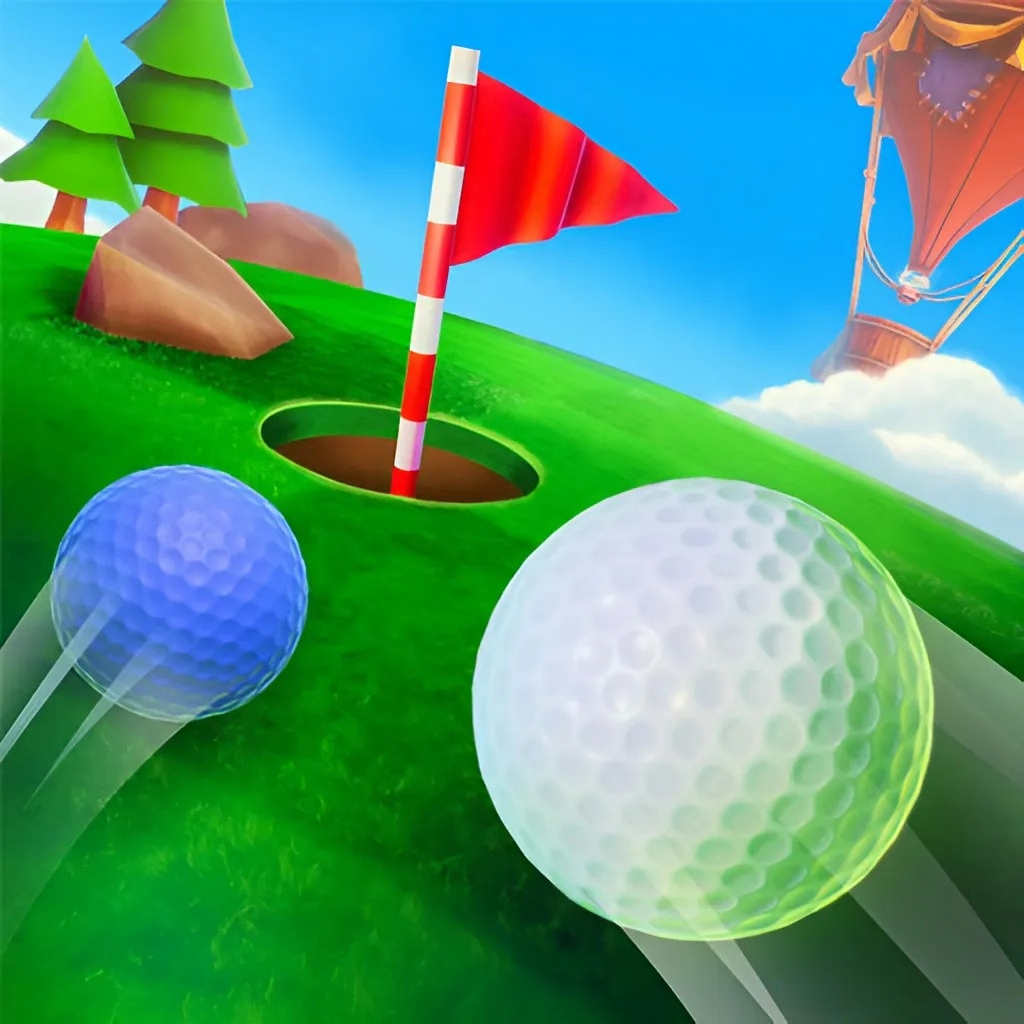

About Pixel Mini Golf
Pixel Mini Golf asks you to read more than the distance to a cup. Its courses mix familiar putting with objects that can redirect or interrupt the ball, including portals and mechanical obstacles. A line that looks simple at first may change once the ball reaches one of those interactions.
Coins add a second consideration to the route. They can tempt you away from a straightforward finish, so decide whether the detour still leaves a useful approach to the hole. The core action remains a prepared mouse shot: hold, adjust, and release. What develops across the layouts is your ability to anticipate the next interaction and avoid treating every object as an ordinary wall.
How to Play Pixel Mini Golf
Hold and drag to prepare the ball’s direction and power, then release toward the hole. Account for the course’s special objects and collect coins when their route remains compatible with finishing.
- Locate the cup, coins, and objects that can alter the ball’s path.
- Choose a route that accounts for the next interaction.
- Prepare and release a measured shot.
- Observe the result and adjust the following approach to complete the course.
Controls & Timing
Objects need different treatment
Portals and mechanical obstacles can change what a route requires. Inspect their placement before applying the same plan you would use for a plain wall.
A collection detour
Coins are an additional route choice rather than the cup itself. Think about the position left after collecting them so the detour does not become a recovery problem.
Strength after contact
A shot may still have travel remaining when it meets an object. Watch what happens beyond that point to understand why its final position differed from the initial aim.
Controls
| Input | Action | When to use |
|---|---|---|
| Hold the ball | Prepare to aim. | At the start of a stroke. |
| Drag | Choose the direction and strength. | While checking the route and obstacles. |
| Release | Take the shot. | After settling on a path. |
High Score Tips
- Solve the finish before the detour. Find a workable path to the cup, then assess whether coins can fit into it. This gives each optional deviation a clear cost instead of letting collection replace the main objective.
- Learn a special interaction in isolation. When an unfamiliar object changes the route, focus on that one event. A simpler approach makes its effect easier to understand than a shot involving several obstacles at once.
- Aim for useful space after a portal. Reaching an entrance is only part of a route that uses it. Consider the available space near the exit before deciding whether the interaction helps the finish.
- Reduce unnecessary contacts. Every additional obstacle interaction introduces another point where the result can diverge from the plan. Prefer a simpler route when it reaches the same useful position.
Key Features
- Miniature course layouts. Compact holes make route decisions visible before the stroke.
- Coin collection. Optional pickups encourage evaluating detours as well as direct finishes.
- Unusual course objects. Portals and mechanical obstacles expand the routing challenge.
- Prepared shots. Mouse aiming separates inspection from the moment of release.
Frequently Asked Questions
Should I collect every visible coin first?
Consider how the detour affects the route to the cup. A pickup is most useful when it fits a workable finish, rather than leaving the ball trapped behind an awkward obstacle.
Why should I inspect a portal before shooting?
Its placement changes how the course connects. Think about the space around the exit as well as reaching the entrance, because the next useful landing still determines whether the route succeeds.
How do I prepare a shot?
Hold the ball and drag to set its direction and power, then release. Check both the initial line and any object the ball will encounter before reaching the intended target.
What should I change after an unexpected collision?
Identify the object that changed the route and the direction the ball took afterward. Adjust the approach to that interaction rather than assuming a harder shot will solve the problem.
How can I make a complicated route easier to learn?
Reduce the number of special interactions in the plan where possible. Understanding one portal or obstacle at a time makes it easier to connect those observations into a dependable route.