


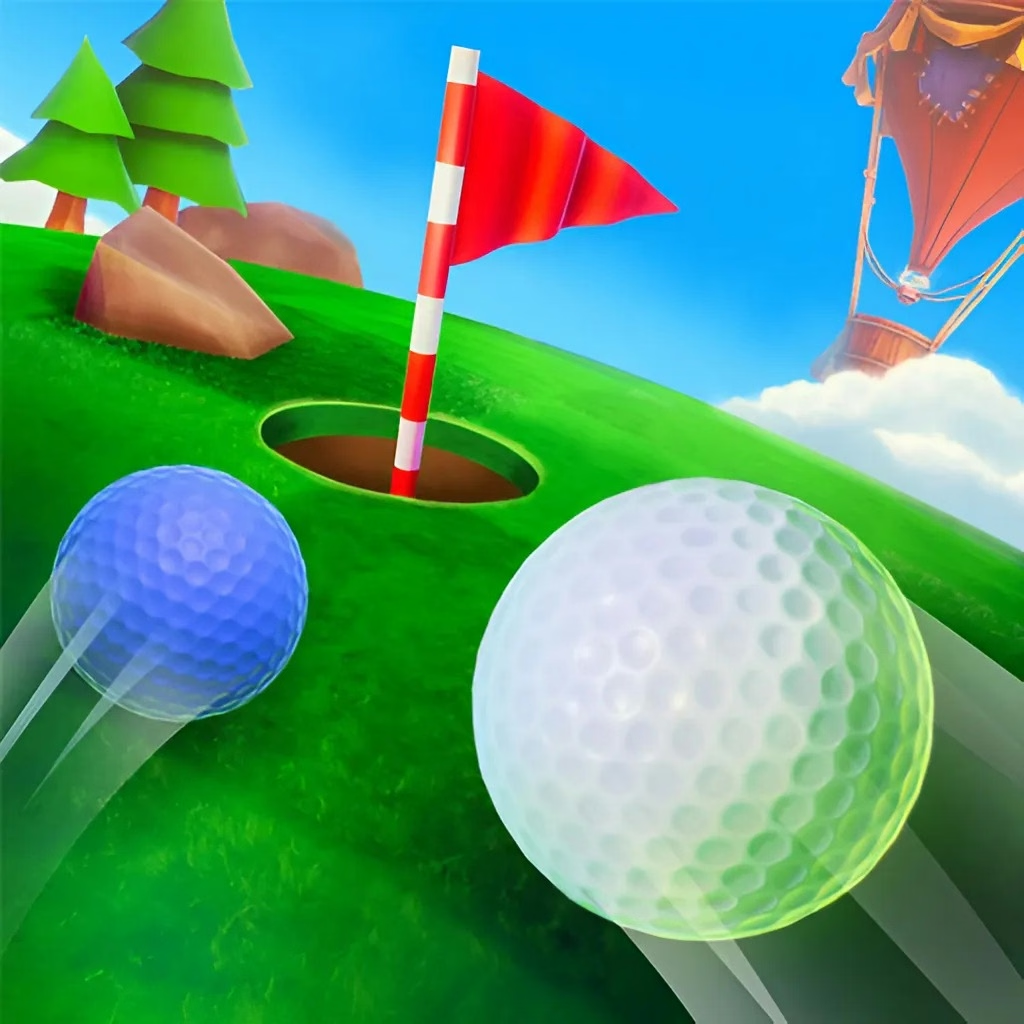
About Mini Golf Adventure
Begin Mini Golf Adventure by looking beyond the cup. Gems and course devices create decisions along the way, so the route that seems shortest may not be the only useful one. You prepare a shot by dragging back from the ball, then release with an angle and strength suited to the next part of the course.
The adventure comes from learning how each layout works. Windmills, accelerators, and teleportation points can influence travel, while the number of putts and your collection choices give a finished hole room for improvement. First establish a route that reaches the cup. Then look for a pickup or device that can fit into that route without leaving the ball in a difficult position afterward.
How to Play Mini Golf Adventure
Click and pull back from the ball to prepare direction and power, then release. Reach the cup in a low number of putts, collecting gems and using course features when they improve the route.
- Locate the cup, gem groups, and devices on the course.
- Choose the next useful landing or interaction.
- Prepare the shot with a backward drag and release.
- Finish the hole, then review how the route could use fewer putts or collect more gems.
Controls & Timing
A device is part of a route
A windmill or accelerator changes the problem at its location. Observe the interaction and plan for the ball’s travel afterward rather than aiming at the device as an end in itself.
Teleports change location
A teleport can carry the ball to another section. Check what can be done from the destination before deciding that the entrance is a useful target.
Gems and finishing
Collection adds another objective to the hole. A pickup route still needs a practical connection back to the cup.
Controls
| Input | Action | When to use |
|---|---|---|
| Hold the ball | Prepare a shot. | Before choosing its path. |
| Drag backward | Set the angle and power. | While inspecting the next course feature. |
| Release | Putt toward the target. | When the route is ready. |
High Score Tips
- Learn the normal finish first. Identify a route that completes the hole before adding optional detours. This gives you a baseline against which to judge whether a gem or device makes the attempt better.
- Study the outgoing space. A course feature can move the ball successfully yet leave it behind a barrier. Inspect the area beyond the interaction so the shot has a useful continuation.
- Avoid changing power and route together. When a device sends the ball somewhere unexpected, keep the approach simple on the next attempt. A small, deliberate change makes its effect easier to read.
- Keep the last putt affordable. A gem detour is less useful when it leaves several awkward recovery shots. Think about the final approach before spending effort reaching a pickup near the edge of the workable route.
Key Features
- Interactive layouts. Course devices add route choices beyond ordinary walls.
- Gem collection. Pickups encourage considering more than the direct line to the cup.
- Performance-based completion. Efficient putting gives finished holes a reason to be revisited.
- Drag-and-release control. The same preparation gesture handles both angle and force.
Frequently Asked Questions
What should I do on an unfamiliar course?
Find a clear route to the cup, then inspect the gems and devices along it. Understanding how to finish first makes it easier to judge whether a detour is worthwhile.
Do I need to aim at every device?
No. A device is useful when its effect serves the route you want. Check where the ball can travel afterward rather than using an interaction merely because it is available.
How can a teleport help?
It connects parts of the course without an ordinary roll between them. Inspect the destination and the next approach so that entering it moves the ball toward a workable finish.
Should I prioritize gems over a low putt count?
Consider both parts of the result. Look for pickups that fit into efficient travel, and reconsider a detour when it repeatedly adds difficult recovery shots before the cup.
Why did the same drag behave differently here?
The ball may have encountered a course device or a different obstacle arrangement. Follow the entire shot to identify that interaction before changing the force used for the next attempt.