
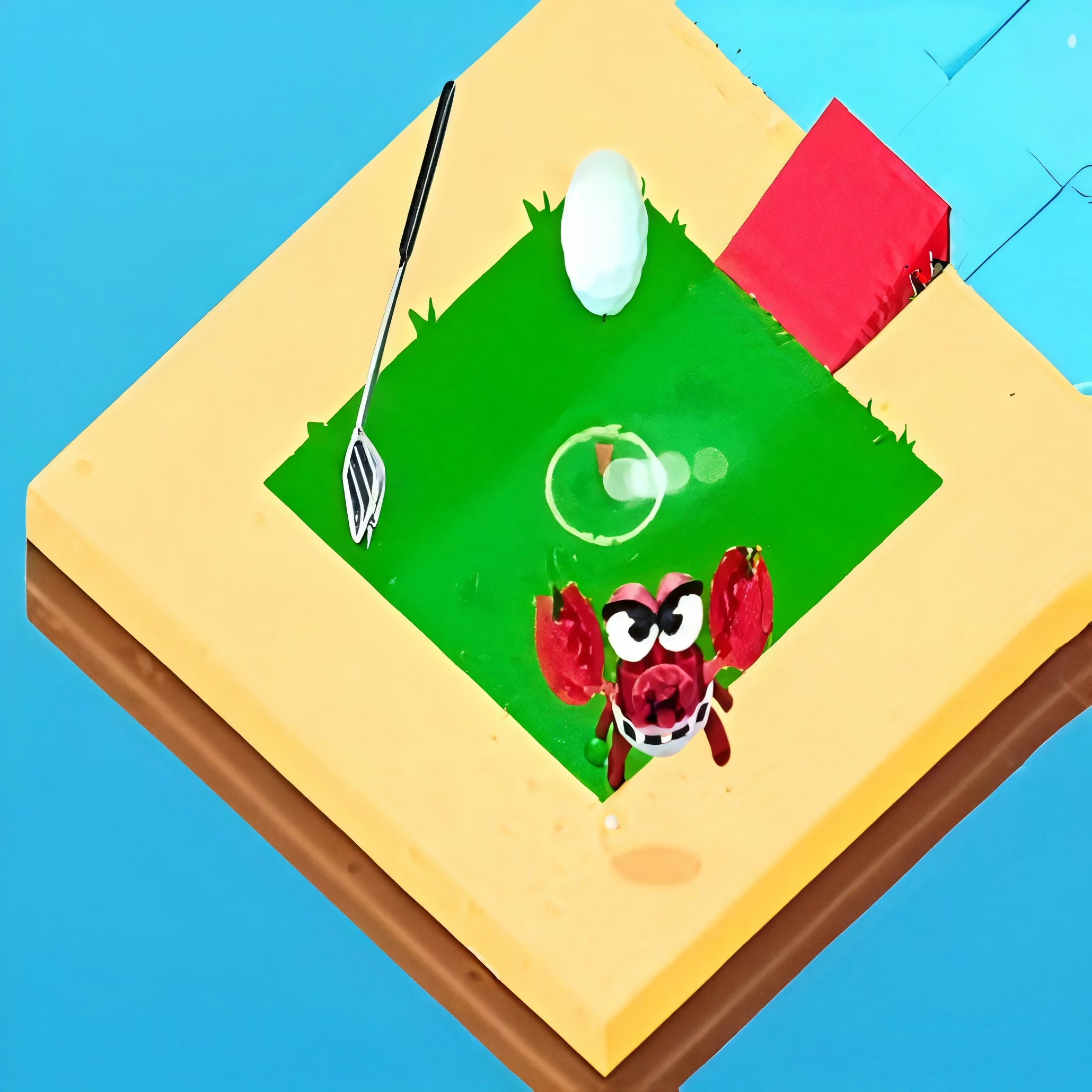
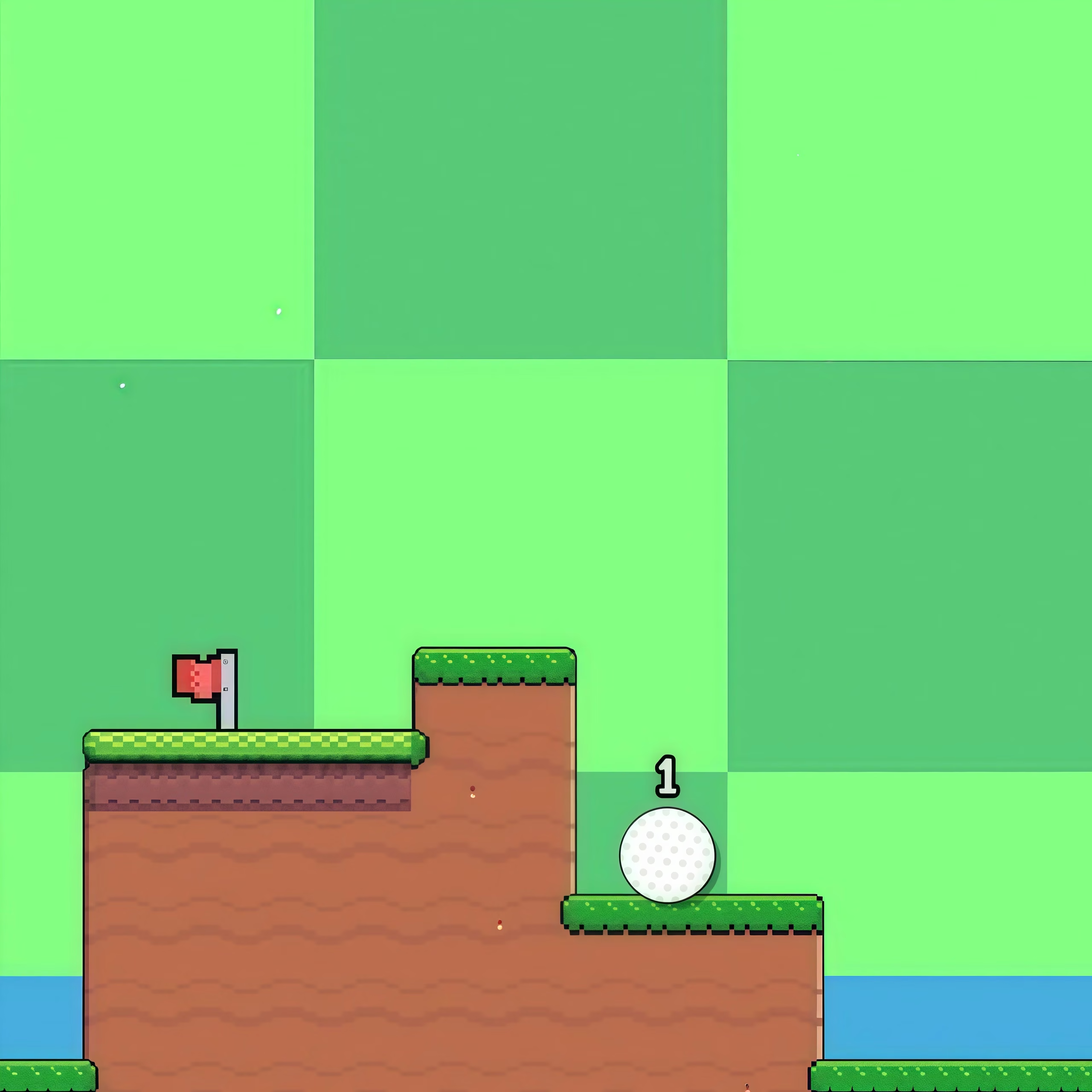
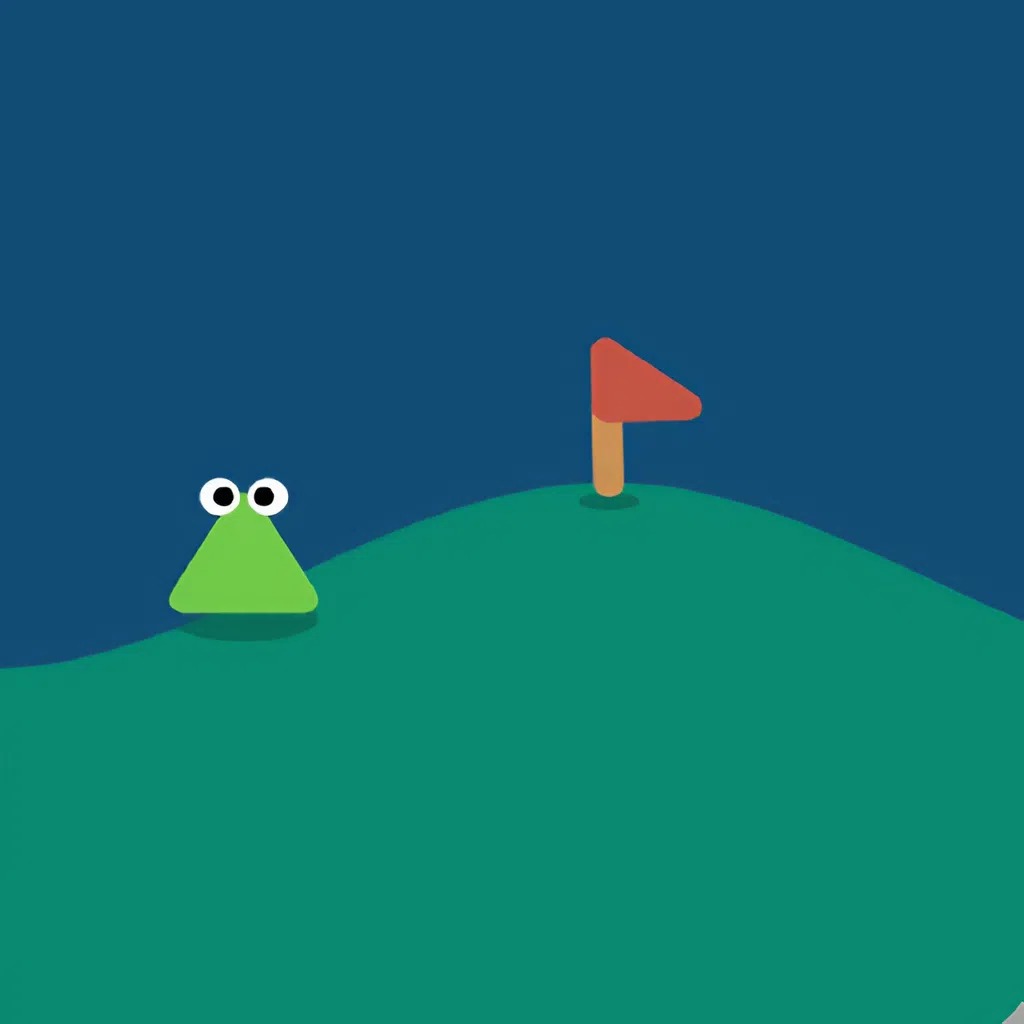
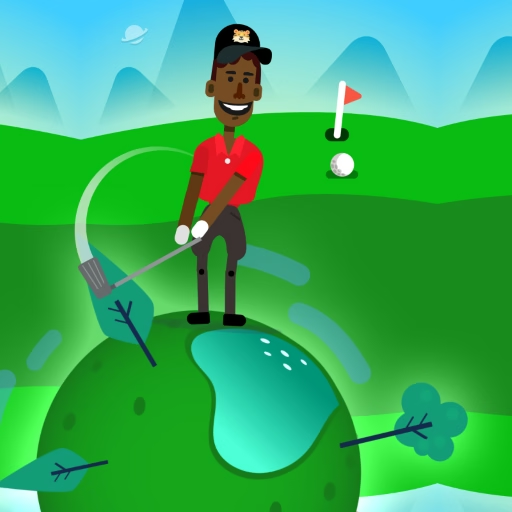
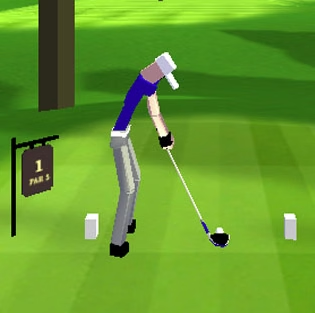


About Golf Gardens FRVR
The best route in Golf Gardens FRVR is not necessarily the straight line to the hole. Coins can sit along another path, and an obstacle may make a direct stroke less practical than a measured approach. Begin by finding a dependable finish, then decide how collection can fit into it without creating an awkward recovery.
The FRVR game uses a drag-and-release club action, giving you time to prepare the strike. Its challenge comes from connecting that preparation with the layout ahead: how much force clears the next section, where the ball should stop, and whether a coin detour remains useful afterward. A hole-in-one is a clear achievement, but a well-planned sequence also gives you a repeatable way to understand the course.
How to Play Golf Gardens FRVR
Aim and drag back to prepare the club, then release to strike. Navigate the garden obstacles, gather coins along sensible routes, and bring the ball into the hole.
- Read the cup position, obstacles, and available coins.
- Choose a line that connects progress with a manageable landing.
- Prepare direction and force, then release the strike.
- Continue toward the cup, revising the approach when the ball stops somewhere unexpected.
Controls & Timing
A coin has a route cost
Collecting an item can change where the ball finishes. Include the next approach when judging whether the pickup improves the attempt.
Obstacles shape the strike
A clear initial direction may lead into blocked ground farther ahead. Inspect the whole intended path before deciding how much force to use.
The release commits the plan
Direction and strength are prepared before the shot. Finish the route decision during the drag rather than expecting the moving ball to correct an unfinished idea.
Controls
| Input | Action | When to use |
|---|---|---|
| Hold the left mouse button | Prepare the strike. | Before choosing a route. |
| Drag backward | Aim and set the shot force. | While judging the next position. |
| Release | Hit the ball. | After checking the obstacles. |
High Score Tips
- Link collection to natural travel. Prefer coins that sit along a route you already need. This can make progress and collection happen together without adding a separate detour for each item.
- Avoid a dead-end pickup. A tempting coin may lie where the next shot becomes awkward. Check the route out of that area before aiming in, especially when a nearby obstacle narrows the exit.
- Use the cup as a planning reference. Consider the direction from which the final approach will be easiest. Let that guide the choice of intermediate landings instead of moving toward whichever object is closest.
- Improve one section of the route. After an attempt, identify the detour or collision that caused the most extra work. Revising that section while retaining successful shots makes improvement easier to evaluate.
Key Features
- Garden courses. Obstacle-filled layouts frame the golf challenge.
- Coin collection. Pickups introduce route choices beyond direct putting.
- Prepared club strikes. Drag-and-release control supports deliberate direction and force.
- Hole-in-one opportunities. A complete route can sometimes be solved with a single well-judged shot.
Frequently Asked Questions
What should I prioritize first?
Find a route that reaches the hole reliably, then evaluate coins along or near it. This gives collection a clear context instead of letting a detour replace the main objective.
How do I hit the ball?
Hold the left mouse button, drag back to aim and set force, then release. Make the landing decision before the release so that the shot has a useful destination.
Should I chase a coin away from the cup?
Only when the route afterward remains manageable. Consider the extra approach needed to return toward the hole, rather than judging the detour solely by whether the coin is reachable.
How can I avoid overshooting a close target?
Use a smaller pull and inspect the line into the cup. Force that was useful for crossing an earlier part of the course can be excessive for the final approach.
What can I learn from a missed hole-in-one?
Look at where the route first diverged from the plan: the initial line, an obstacle contact, or the remaining speed near the cup. Adjust that part before replacing the whole shot.