






About The Speedy Golf
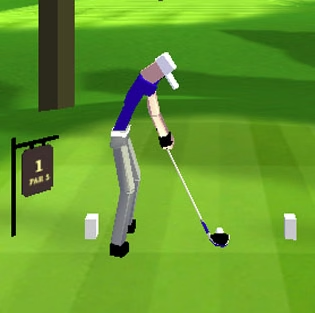
The Speedy Golf compresses a golf swing into a short sequence of decisions. First choose the direction, then use the Swing control to start the meter, establish power, and set spin. The action is quick, but a clean result depends on knowing which part of the swing each input is controlling.
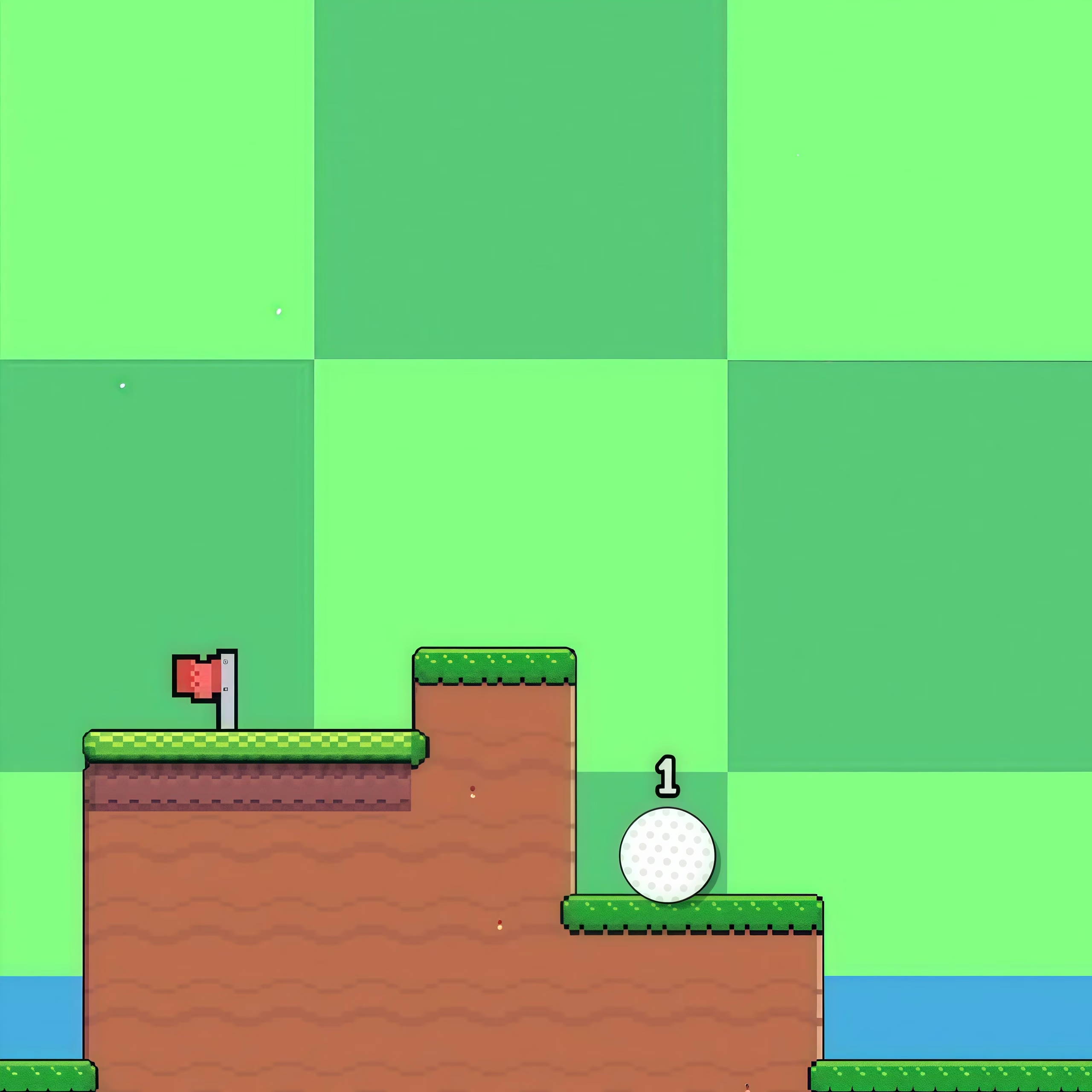
The course objective is still to reach the hole efficiently. A stronger drive can cover ground, while a measured approach leaves a simpler putt. The useful rhythm is therefore deliberate rather than frantic: inspect the target before starting the meter, execute the sequence, and judge the ball’s final position. Once that sequence is familiar, attention can shift from the button itself to the shot the course actually needs.
How to Play The Speedy Golf
Aim with the left and right controls, click Swing to begin, click again to set power, and click a third time to set spin. Follow the ball and repeat from its new position until it reaches the hole.
- Inspect the target and adjust the direction before activating Swing.
- Start the meter and watch the power stage.
- Time the next input for power and the final input for spin.
- Observe the landing and choose the next shot needed to finish.
Controls & Timing
Aim comes first
Direction is prepared before the timed swing sequence. Finish deciding where to send the ball so that meter timing does not compete with an unfinished route choice.
Three inputs, different jobs
The first Swing input starts the meter; the following inputs establish power and spin. Treating all three as rapid clicks removes the control the sequence is meant to provide.
Distance changes the rhythm
A short approach does not need the same strength as a long opening shot. Reassess the target distance before starting each new swing.
Controls
| Input | Action | When to use |
|---|---|---|
| Left / Right aim controls | Adjust the shot direction. | Before starting the swing. |
| Click Swing | Start the swing meter. | When the aim is ready. |
| Click twice more | Set power, then spin. | At the chosen meter positions. |
High Score Tips
- Practice the order before the ideal timing. Know which click does what before chasing a perfect result. A consistent sequence makes it possible to diagnose whether distance or spin caused a miss.
- Watch where the ball finishes. A promising flight can still leave an awkward next shot. Judge the full result, including the landing, before deciding that the power choice was correct.
- Keep the final approach manageable. A drive is valuable when it leaves a usable position near the cup. Do not add distance merely to avoid taking a deliberate approach shot.
- Reset after a poor swing. Complete the next aim normally instead of trying to compensate with a rushed meter sequence. The previous miss does not change the order of the controls.
Key Features
- Three-stage swing. Start, power, and spin are separate timed inputs.
- Directional aiming. Left and right controls establish the shot line before the swing.
- Course-based play. Each new position calls for a different distance and approach.
- Compact golf rhythm. A short input sequence keeps the focus on repeated shot decisions.
Frequently Asked Questions
How many clicks make a swing?
The Swing sequence uses three: start the meter, set power, then set spin. Learn that order first so that each timed input corresponds to the part of the shot you intend to control.
When should I change direction?
Adjust the aim before starting the swing meter. Separating course reading from the timed sequence helps you concentrate on power and spin once the meter is moving.
Why does using more power not always help?
The shot needs to leave a useful position, not simply travel farther. Excess distance can carry the ball beyond a good approach and create an unnecessary recovery stroke.
What should I check after a bad shot?
Look at the aim, the power timing, and the spin input separately. Identify which part differed from your plan before changing the next swing, rather than altering every setting at once.
How should I approach a short remaining distance?
Choose the nearby target and prepare a lower-power shot suited to it. Continue using the full swing sequence, but do not repeat the strength of an earlier long drive automatically.